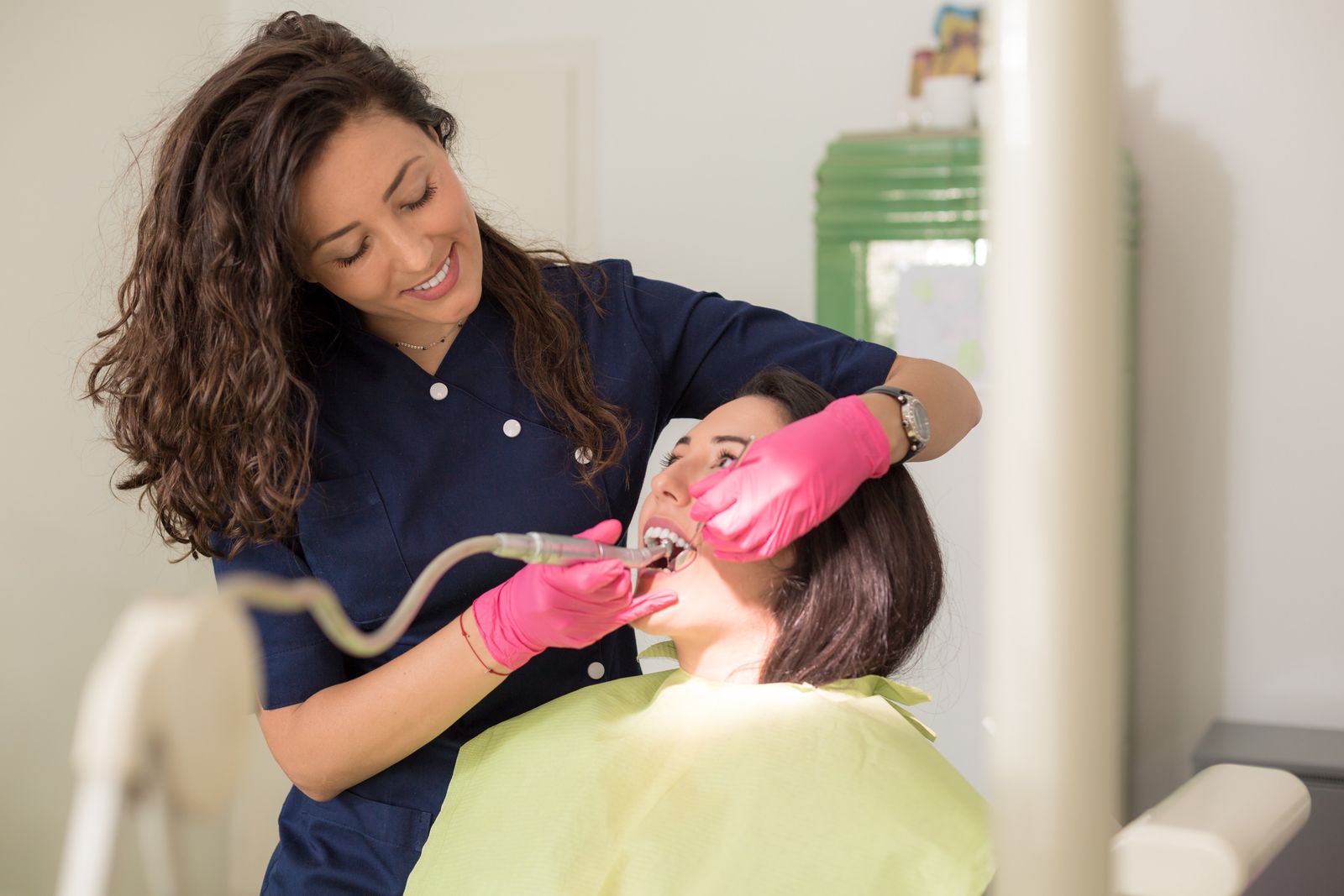
If you’ve been wondering whether getting veneers could give you a brighter, more even smile, it helps to know what the process actually looks like. At Bob Dalsania, DDS, Family & Cosmetic Dentistry, Dr. Bob walks you through every step so there are no surprises. From your first consultation to the day you see your finished smile, you’ll know what’s coming and why it matters.
Veneers are one of the most popular cosmetic treatments because they address several concerns at once. Below is a clear look at the full process, who makes a good candidate and the questions patients ask most.
What Are Dental Veneers?
Dental veneers are thin, custom-made shells (usually porcelain or composite) bonded to the front of your teeth to improve their color, shape and overall appearance. They’re a minimally invasive cosmetic treatment that can refresh your smile in just a few visits.
Most veneers are about as thin as a contact lens. Despite being so slim, they can correct a wide range of cosmetic concerns, including:
- Deep stains that whitening can’t lift
- Chipped or worn edges
- Small gaps between teeth
- Minor misalignment or uneven shapes
- Teeth that look too short or narrow
With proper care, porcelain veneers typically last many years, often a decade or longer. One thing to know upfront: veneers are considered permanent because a small amount of enamel is reshaped during placement. That’s why your first consultation with Dr. Bob matters. You’ll talk through your goals, your options and whether veneers are the right fit before anything is started.
The Veneer Process: Step by Step From Consult to Final Smile
Here’s what the full veneer process looks like with Dr. Bob, from your first visit to the day you walk out with your new smile. Most patients finish in a few weeks, depending on lab turnaround and the number of teeth being treated.
What Happens During the Consultation and Exam?
Your first consultation starts with a full exam, digital X-rays and an honest conversation about what you want to change. Dr. Bob will look at your gums, bite and existing enamel to confirm veneers are a good match. Bring photos of smiles you love. They help him understand your vision and your goals.
How Is Your New Smile Designed?
Next comes the design. Using iTero 3D digital scanning, Dr. Bob maps out the shade, shape and size of each veneer before any work begins. This is where small details matter: tooth length, symmetry and how your veneers will look next to your natural teeth. You’ll have a chance to weigh in before anything is finalized.
How Are Teeth Prepared for Veneers?
Once you approve the design, the front surface of each tooth receiving a veneer is gently reshaped. This usually means removing a thin layer of enamel so the veneer sits flush and looks natural next to your other teeth. Local anesthetic keeps you comfortable throughout the appointment.
What Happens With Impressions and Temporaries?
Digital impressions go to a dental lab, where your custom porcelain veneers are made. In the meantime, you’ll wear temporary veneers so you can smile, eat and talk normally while you wait. Temporaries also give you a feel for the shape and size of your new smile.
How Are Veneers Fitted and Bonded?
When your veneers arrive, Dr. Bob checks the fit, color and shape before bonding them in place. Each veneer is cemented with a strong adhesive and set with a curing light, giving you a secure bond you can rely on for years.
What Does the Final Bite Check and Polish Involve?
Finally, your bite is checked, each veneer is polished and you’ll go over aftercare instructions. You’ll leave with a smile you’re excited to show off and everything you need to protect it for the long haul.
Benefits of Choosing Veneers
Veneers solve several cosmetic concerns in one treatment and give you natural-looking, long-lasting results. If you’ve been thinking about brightening or reshaping your smile, here’s what they can offer.
What Cosmetic Concerns Can Veneers Fix at Once?
Veneers can address color, shape, gaps, chips and minor misalignment in a single treatment, which saves you time and extra visits. Each veneer is shaped and shaded to suit your face and the rest of your teeth, so nothing looks bulky or fake when the design is done well. Porcelain also holds its color far better than natural enamel, so coffee, tea and red wine won’t dull your smile the way they might otherwise.
How Do Veneers Hold Up in Everyday Life?
Compared to crowns, veneers preserve more of your natural tooth structure since only a thin layer of enamel is reshaped. With good hygiene and routine checkups, porcelain veneers often last well over a decade. Many patients find a new smile changes how they feel in photos, at work and in everyday life.
Veneers vs. Crowns vs. Bonding: How They Compare
Veneers, crowns and bonding all improve the appearance of your teeth, but each works differently. Dr. Bob will help you choose based on the condition of your teeth and the look you want.
| Feature | Porcelain Veneers | Dental Crowns | Composite Bonding |
|---|---|---|---|
| Coverage | Front surface only | Entire tooth | Targeted spots |
| Tooth prep | Minimal enamel reshaping | More tooth structure removed | Little to none |
| Primary purpose | Cosmetic | Restorative and cosmetic | Cosmetic repair |
| Durability | 10 to 15+ years | 10 to 15+ years | 3 to 10 years |
| Visits needed | 2 to 3 | 2 | 1 (same day) |
| Stain resistance | Excellent | Excellent | Lower |
Which Is Better, Porcelain or Composite Veneers?
Porcelain veneers are custom-made in a lab, resist stains and last the longest. Composite veneers are shaped directly on your teeth in one visit, but they usually need replacing sooner and can stain over time.
If your tooth is cracked, has a large filling or needs more support, a crown is often the better call. If you have a small chip or minor stain, bonding may be enough. For a full cosmetic refresh of healthy teeth, veneers are usually the best match.
Are You a Good Candidate for Veneers?
Veneers work best for patients with healthy teeth and gums who want to improve the look of their smile. During your consultation, Dr. Bob will check a few things to confirm you’re a strong candidate.
You’re likely a good fit if you have:
- Healthy teeth and gums with enough enamel for bonding
- No active decay or untreated gum disease
- Minimal teeth grinding, or you’re willing to wear a custom nightguard
- Realistic expectations about shape, color and what veneers can achieve
- A commitment to good oral hygiene and routine dental visits
If you grind your teeth heavily, a nightguard may be recommended before or alongside veneer placement to protect your new smile. If you have decay or gum issues, those get treated first so your veneers have a healthy foundation.
Not sure if you qualify? That’s exactly what your consultation is for. Dr. Bob will give you an honest answer and lay out your options, whether that’s veneers, whitening, Invisalign clear aligners or something else entirely.
Frequently Asked Questions About Getting Veneers
How long does the full veneer process take?
Most patients go from consultation to final placement in a few weeks. Lab turnaround and the number of veneers you’re getting affect the timeline, and Dr. Bob will give you a clear schedule at your first visit so you can plan around it.
Does getting veneers hurt?
Veneer placement is comfortable for most patients. Dr. Bob uses local anesthetic during the preparation step, and any sensitivity afterward is usually mild and short-lived. If you have questions about comfort, just ask and we’ll walk through what to expect at each step.
Are veneers reversible?
No. Veneers are considered permanent because a small amount of enamel is reshaped during preparation. That enamel doesn’t grow back, so those teeth will always need veneers or another restoration. That’s why so much time goes into smile design before anything is started.
Can I bite into an apple with veneers?
Yes, you can eat most foods normally with porcelain veneers, apples included, as long as you use reasonable care. Cut very hard foods into smaller pieces and avoid habits like biting your nails or chewing ice. Treat them like your natural teeth, just with a little extra awareness.
How long do veneers last?
Porcelain veneers typically last many years with proper care, often well over a decade. Daily brushing and flossing, routine cleanings and wearing a nightguard if you grind all help extend their lifespan and keep them looking their best.
What’s the difference between a crown and a veneer?
A veneer covers only the front surface of a tooth and is used mainly for cosmetic improvements. A crown covers the entire tooth and is used when a tooth needs structural support, like after a large filling or root canal. Dr. Bob will recommend the right option based on your tooth’s condition and your goals.
Schedule a Veneers Consultation in Covington
Great veneers come from careful planning and care that’s personal to you. At our Covington office, Dr. Bob takes the time to listen, plan and design a smile you’ll love showing off. When you’re ready to explore your options, schedule a consultation to see what veneers could do for your smile.