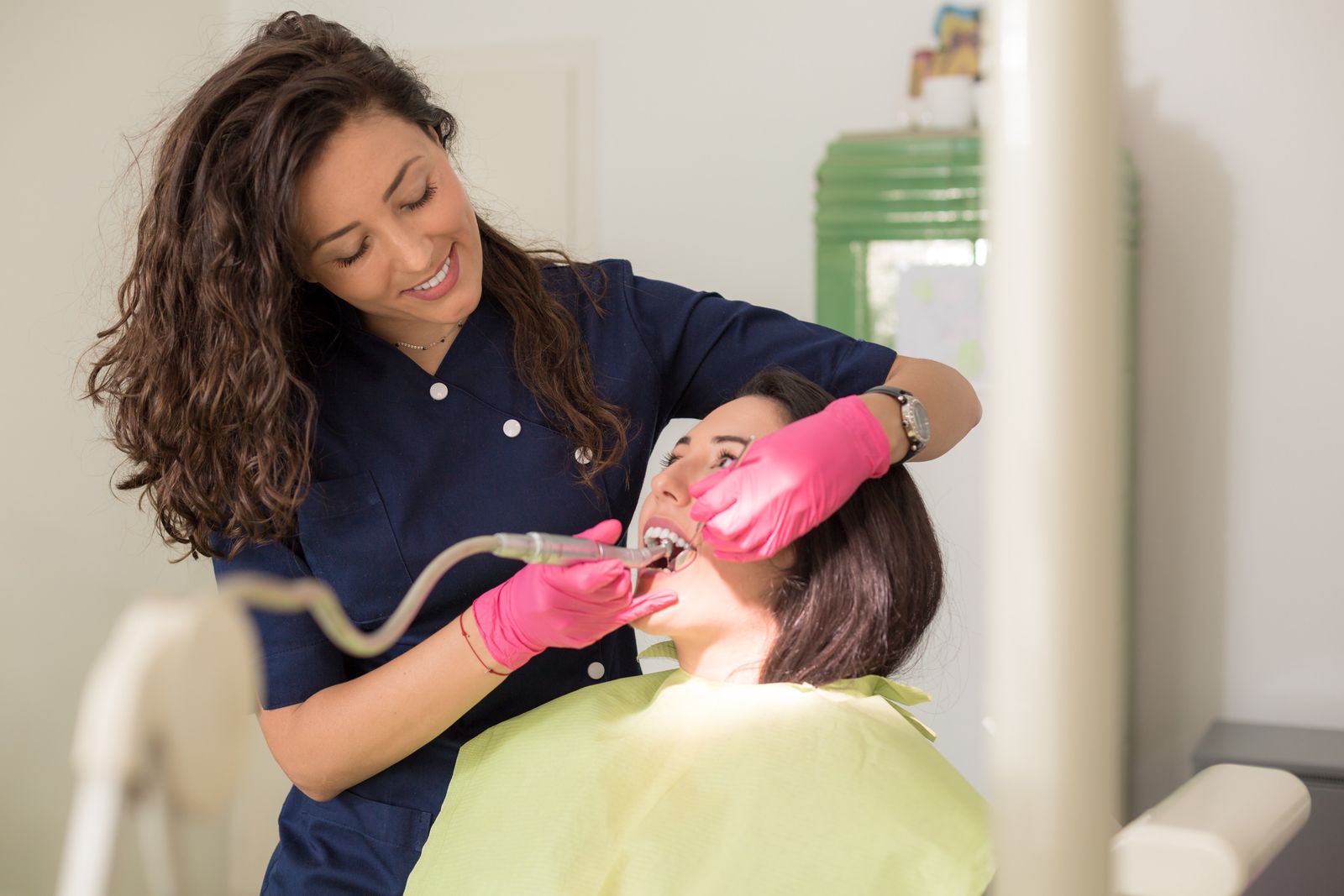
Bringing your little one in for their first dental visit is a big milestone, and it comes earlier than many parents expect. The short answer to when: by their first birthday, or within six months of that first little tooth coming in. Dr. Bob is here to help you feel ready for that first appointment and every one after it.
What the First Dental Visit Is and Why It Matters
A child’s first dental visit is a short, gentle appointment where the dentist checks your baby’s mouth, teeth and gums and shows you how to care for them at home. The American Academy of Pediatric Dentistry (AAPD) and the American Academy of Pediatrics (AAP) both recommend scheduling this visit by age one or within six months of the first tooth coming in.
This early visit does more than check for cavities. It sets up a dental home, a trusted place where your child gets ongoing preventive care as they grow. At Bob Dalsania, DDS, Family & Cosmetic Dentistry, that means your child sees a familiar face year after year.
The focus of the first visit is prevention, education and catching problems early. Dr. Bob will walk you through brushing tiny teeth, feeding habits that protect enamel and what to watch for as more teeth come in. Starting early also helps your child build positive feelings about dental care, so future visits feel routine instead of unfamiliar.
How the First Dental Visit Works, Step by Step
The first visit is meant to be short, calm and informative. Here’s what happens when you bring your little one in:
- Check-in and health history. You’ll fill out a brief medical and dental history for your child. The team will ask about feeding habits, pacifier or thumb use and anything you’ve noticed.
- Getting settled. You’ll stay in the room with your child the whole time. For babies and young toddlers, you may be asked to sit in the dental chair with your child on your lap, which keeps them close to you and feeling secure.
- Gentle exam. Dr. Bob checks the teeth, gums, bite and overall oral development, looking for early signs of decay, how teeth are coming in and anything unusual in the soft tissues.
- Fluoride check. Dr. Bob will check whether your child would benefit from fluoride to help strengthen their enamel.
- Parent education. This is a big part of the visit. You’ll get hands-on guidance for brushing baby teeth, when to start flossing, how diet affects dental health and how to handle habits like thumb-sucking.
- Next steps. Before you leave, you’ll get a suggested schedule for future visits, a heads-up on what to expect as more teeth come in and a simple home-care plan for your child.
First visits are usually short and low-key. No surprises and no rushing.
Benefits of Early Dental Visits
Starting dental visits early pays off for years to come. Here’s what your child gains from that first appointment and the ones that follow:
- Early cavity detection. Baby teeth can decay quickly, especially with nighttime bottles or sippy cups. Catching early childhood cavities at the first stage means simpler, gentler treatment.
- Guidance on everyday habits. You’ll get clear answers about fluoride, pacifier weaning, thumb-sucking and how snacking patterns affect developing teeth.
- Less dental anxiety later. Children who visit the dentist regularly from toddlerhood tend to feel more comfortable in the chair as they grow.
- Monitoring of tooth eruption and bite. Dr. Bob tracks how your child’s teeth come in and how the upper and lower jaws line up. Spotting bite concerns early can mean simpler treatment later, including possible Invisalign clear aligners when they’re older.
- Support for speech and nutrition. Healthy baby teeth help children form sounds correctly and chew a variety of foods, which supports both speech development and good nutrition.
Think of early visits as building blocks. Each one adds to your child’s comfort, confidence and oral health. And because Dr. Bob gets to know your family over time, he can tailor advice to your child’s temperament and needs.
Pediatric Dentist vs. Family Dentist: What’s the Difference?
Parents often ask whether their child needs a pediatric specialist or whether a family dentist can handle the first visit. Both are good options, and the right choice depends on what your family prefers.
| Feature | Pediatric Dentist | Family Dentist |
|---|---|---|
| Training | DDS/DMD plus 2 to 3 years of pediatric specialty residency | DDS/DMD with training in treating patients of all ages |
| Patients treated | Infants, children and teens only | Every age, from toddlers to grandparents |
| Office environment | Kid-themed decor and child-focused staff | Welcoming to all ages and familiar for the whole family |
| Continuity of care | Transfer to an adult dentist around age 18 | Same office and same team, from first tooth through adulthood |
| Behavior management | Trained in advanced behavioral techniques for children | Gentle, personalized care with a focus on building trust |
Dr. Bob welcomes children at our Covington office and keeps the experience calm and kid-friendly. One of the best parts of choosing a family dentist is continuity. Your child grows up with the same dental home, so there’s no transition from a pediatric office to an adult practice later.
If your child has significant medical needs or anxiety that calls for specialized behavior support, a pediatric specialist may be the right fit. For most healthy kids, though, a family dentist like Dr. Bob works well, especially when siblings and parents can all be seen in one place.
Is Your Child Ready? Signs and Timing
Not sure if it’s time to schedule that first appointment? Use this checklist:
- The first tooth has come in. Baby teeth typically start coming in between 6 and 12 months of age. Once that first tooth appears, it’s time to call.
- Your child is approaching their first birthday. Even if no teeth have come in yet, the AAPD recommends a visit by age one.
- You see white spots, discoloration or other signs of decay. These can appear quickly, especially with frequent bottle or sippy cup use.
- Teeth seem slow to come in, or you have questions about oral development, jaw growth or tongue and lip ties.
- Thumb-sucking or pacifier use continues past age 2. Dr. Bob can share gentle weaning strategies to protect the developing bite.
- Any mouth soreness, swelling or injury. Don’t wait for a scheduled visit if your child has an urgent concern. Call right away.
If any of these apply, give our Covington office a call and the team will help you find a time that works for your family.
Frequently Asked Questions
What to expect at your child’s first dentist visit?
Expect a short, friendly appointment focused on getting your child comfortable and giving you helpful guidance. Dr. Bob will do a gentle exam, check whether your child would benefit from fluoride and give you hands-on tips for brushing, feeding and habits like thumb-sucking. Most first visits are fairly short.
What is the 3-3-3 dental rule for toddlers?
You may see the 3-3-3 rule mentioned online, but it isn’t an official guideline from the AAPD or the American Dental Association. What they do recommend is simple: brush twice a day for two minutes, using a smear of fluoride toothpaste about the size of a grain of rice for children under 3 and a pea-sized amount for children 3 to 6. Dr. Bob can walk you through the right routine at your child’s visit.
What is the 2-year dentist rule?
There’s no official 2-year rule. Current AAPD guidelines recommend the first visit by age one, with regular checkups after that, so by age 2 most children have already had a few visits. If your child hasn’t been seen yet, it’s not too late to start.
How does teething feel for a baby?
Teething can cause soreness, drooling, fussiness and a desire to chew on everything. Most babies do well with chilled teething rings, gentle gum massage with a clean finger and lots of comfort. If your baby seems very uncomfortable, talk to your pediatrician about safe relief options. Dr. Bob can also share tips at your first visit.
How often should my child see the dentist after the first visit?
Most children should see Dr. Bob every six months for routine checkups and cleanings. Children with a higher cavity risk or specific developmental concerns may benefit from more frequent visits. You’ll get a schedule that fits your child’s needs at the end of each appointment.
What if my child cries or refuses to open their mouth?
That’s completely normal, and the team is ready for it. Dr. Bob uses gentle, patient techniques to help little ones feel safe. Sometimes the first visit is mostly about getting your child comfortable in the chair, even if it’s only a quick peek inside. Each visit builds on the last, and most kids warm up quickly with a calm, familiar routine.
Ready to Schedule Your Child’s First Dental Visit?
Starting early sets your little one up for a lifetime of healthy smiles. Dr. Bob and the team at Bob Dalsania, DDS, Family & Cosmetic Dentistry would love to welcome your family to our Covington office at 839 U.S. 51 S. Call 901-476-2270 or schedule online to find your family’s dental home.
Keep your family smiling for life.