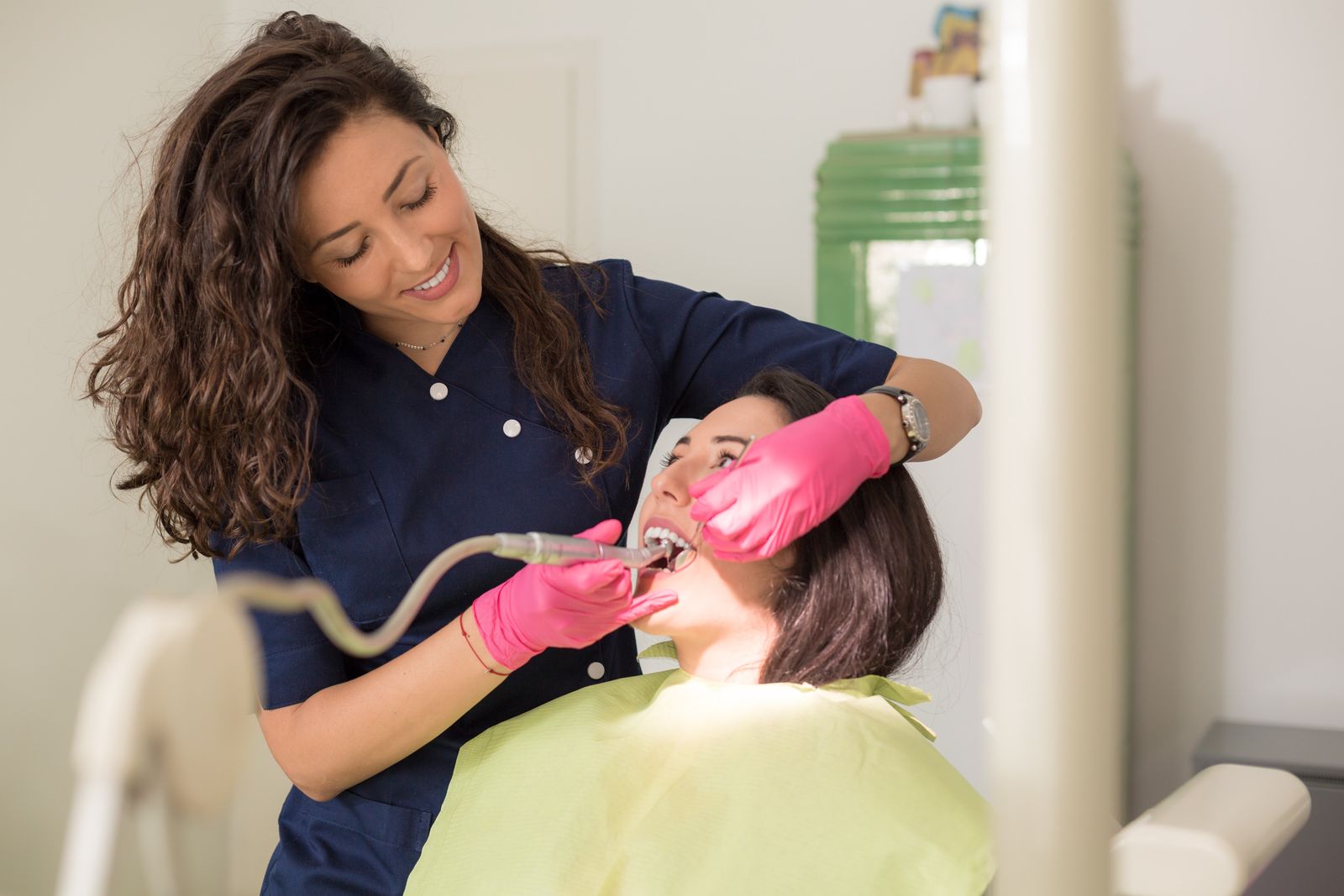
Professional teeth whitening typically lasts six months to three years. In-office treatment with periodic touch-ups often holds one to three years, while custom take-home trays average six to twelve months. Your habits matter most: coffee, tea, red wine, and tobacco re-darken enamel faster. Whitening lifts existing stains but doesn’t prevent new ones. Treat those windows as typical estimates rather than guarantees, since two people can leave the same visit and see very different results a year later.
Your own results depend on what you drink, whether you use tobacco, how well you brush, and how often you refresh with maintenance gel. Those four variables move the timeline more than the product itself does.
Professional whitening gels contain a higher concentration of hydrogen peroxide or carbamide peroxide than anything you’ll find on a store shelf. That strength is why the shade change goes deeper and holds longer. It also explains why Dr. Bob Dalsania, DDS, screens your teeth and gums at Bob Dalsania, DDS, Family & Cosmetic Dentistry before handing over a tray.
Whitening isn’t permanent, either. Teeth naturally re-darken as you age and as pigments from food and drink settle back into the enamel surface. It’s closer to a fresh coat of paint that needs occasional touch-ups than a one-time fix.

How Professional Whitening Works (and Why Results Fade)
Professional whitening works by driving a peroxide gel through your enamel into the dentin, where it breaks apart the stain molecules (chromogens) that darken teeth. Results fade because new stains build up daily and enamel thins with age, letting more of the naturally yellow dentin show through.
Here’s what happens with each method:
- In-office whitening: Dr. Bob isolates your gums with a protective barrier, applies a higher-concentration gel, and lets it work for roughly 30 to 60 minutes in most cases. You leave with a visible shade change the same day.
- Custom take-home trays: Your trays are made from an iTero 3D digital scanning impression, so the gel stays on your teeth instead of leaking onto gum tissue. You wear them nightly for one to two weeks for a gradual lift.
Why the brightness slips back over time:
- Coffee, black tea, and red wine (all high in tannins)
- Tobacco in any form
- Dark sauces like soy, tomato, curry, and balsamic
- Enamel thinning with age, which exposes more dentin
- Plaque buildup between cleanings
Stain type matters too. Extrinsic stains sit on the enamel surface and respond quickly. Intrinsic stains live deeper inside the tooth, often from medication, trauma, or aging, and they need longer treatment or a cosmetic option like veneers or bonding.
Professional whitening changes the shade of natural tooth structure only. It has no effect on crowns, veneers, bonding, or composite fillings.
Why Professional Results Outlast Store-Bought Kits
Professional whitening beats a drugstore kit on three counts: the gel is stronger, the fit is custom, and a real exam happens first. You get a bigger shade change in less time, far less gum irritation, and desensitizing support if your teeth run sensitive. Store strips mostly reach light surface staining.
Store-bought strips can help with mild surface staining. Professional whitening does more, and it does it with supervision.
What makes professional whitening stronger than a drugstore kit?
- Faster, bigger shade change. In-office treatment often lifts several shades in a single visit instead of weeks of nightly strips.
- Custom trays that actually fit. Gel stays on your teeth and off your gums, which cuts down on irritation and blotchy, uneven coverage.
- A real exam first. Dr. Bob checks for cavities, cracks, exposed roots, and gum disease. Whitening over untreated decay makes sensitivity worse and can slow healing.
- Desensitizing agents. Professional protocols include fluoride or potassium nitrate options that calm the zingy sensitivity many people get from over-the-counter strips.
- Longer-lasting brightness. Because concentration and contact time are controlled, the shade change goes deeper and holds up better than what a one-size-fits-all kit delivers.
Will my crowns and fillings match after whitening?
There’s also the matching question. If you have a crown on a front tooth, whitening the teeth around it can leave that crown looking dull and obvious. Planning that out ahead of time is part of personalized dental care, and it’s much easier to sort out before you whiten than after. Dr. Bob will map which teeth are natural and which carry restorations, then sequence the work so your finished smile reads as one shade instead of two.
In-Office vs. At-Home vs. Over-the-Counter Whitening: Longevity Compared
Not every whitening option holds up the same way. The figures below are typical ranges reported in everyday practice, not fixed outcomes. Here’s how the three main routes compare:
| Method | How long results typically last | Time to see results | Shade change | Sensitivity risk |
|---|---|---|---|---|
| In-office professional whitening | 1 to 3 years with touch-ups | One visit (30 to 60 minutes) | Highest, often several shades | Moderate, managed with desensitizers |
| Professional custom take-home trays | 6 to 12 months | 1 to 2 weeks of nightly wear | Moderate to high | Low to moderate |
| OTC strips, pens, whitening toothpaste | Weeks to a few months | 2 to 4 weeks | Minimal, mostly surface stains | Variable, gum irritation common |
The longest-lasting results come from pairing the two professional methods. You start with an in-office session for the big lift, then keep custom trays and refill gel at home for maintenance every six to twelve months.
That combination works well for anyone with an ongoing coffee habit or a smile they show off often. A few nights of tray wear twice a year keeps you close to your original shade instead of starting over from scratch.
Whitening toothpaste deserves a quick note. It contains mild abrasives that polish away fresh surface stains, which helps between treatments. It won’t change the underlying color of your teeth, so treat it as upkeep rather than treatment.
Who Is a Good Candidate for Professional Whitening?
Most healthy adults with yellow or brown surface staining are strong candidates. A quick exam with digital X-rays tells Dr. Bob whether whitening is the right next step or whether something else should come first.
You’re likely a good candidate if you have:
- Healthy gums with no active bleeding or infection
- Natural teeth free of untreated decay
- Yellow or light brown extrinsic staining from food, drink, or tobacco
- No large restorations on your front teeth
Treat these first, then whiten:
- Cavities or worn areas where gel could reach the inner tooth
- Gum disease or receding gums
- Cracked teeth or exposed root surfaces
- Grinding damage that has thinned your enamel
Whitening may not be your best option if:
- Your teeth are gray or have tetracycline banding, which often responds better to veneers or bonding
- Your front teeth have crowns, veneers, or composite bonding that won’t change color
- You’re pregnant or nursing (elective cosmetic treatment usually waits)
- You’re under 16 and still have developing enamel
- You already deal with significant sensitivity and need a gentler protocol
Dr. Bob keeps current through Tennessee Board of Dentistry approved courses. That experience shapes how he plans whitening: a close look at enamel thickness, a note of which teeth already carry restorations, and a straight answer about the shade change you can reasonably expect. He’s watched how whitening holds up over the long run for real patients, not just in a brochure, and he’ll say so if a different cosmetic dentistry treatment would serve your goals better.
Frequently Asked Questions About Teeth Whitening Longevity
How often can I safely whiten my teeth?
Most people do well with an in-office session about once a year and short take-home tray touch-ups every six to twelve months. Whitening more often than your teeth can tolerate leads to lingering sensitivity and gum irritation. Follow the schedule Dr. Bob sets based on your enamel thickness and starting shade.
How soon after whitening can I drink coffee or red wine?
Waiting at least 48 hours is the commonly recommended window. Your enamel pores stay temporarily open after treatment, which makes teeth unusually absorbent. Stick with water, milk, plain chicken, rice, and other light-colored foods for the first two days. If you can’t skip coffee entirely, drink it through a straw and rinse with water afterward.
Does whitening damage enamel?
Professional whitening used as directed does not weaken enamel. Peroxide gels break apart stain molecules without stripping mineral content. Trouble usually comes from overuse of unsupervised store-bought products or gel sitting against gum tissue for too long. Supervision is the difference.
Why are my teeth sensitive after whitening, and how long does it last?
Peroxide temporarily increases fluid movement inside the tiny tubules of your dentin, which your nerve reads as a brief zing. Sensitivity usually fades within 24 to 48 hours. A desensitizing gel, potassium nitrate toothpaste, and avoiding very hot or very cold drinks all help it settle faster.
Can I whiten teeth with veneers, crowns, or fillings?
Whitening only changes natural tooth structure. Porcelain and composite hold their original color, so restorations stay the same shade while surrounding teeth lighten. If you plan to whiten and also need new front-tooth work, whiten first and match the restoration to your new shade.
What is the best way to make whitening last longer?
Rinse with water after coffee, tea, wine, or dark sauces. Brush twice daily, floss, and keep your regular cleanings. Use a straw for staining drinks, skip tobacco, and refresh with take-home gel before the fade becomes noticeable. Consistent maintenance beats starting over every couple of years.
Brighter teeth are one of the simplest ways to smile with confidence, and keeping that shade is easier than you’d think with the right plan. Dr. Bob is happy to talk through your options during a first consultation at Bob Dalsania, DDS, Family & Cosmetic Dentistry. Learn more or request a visit whenever you’re ready.